Key takeaways
- Slabs suit buyers who fabricate; standard tiles suit buyers who install or resell; cut-to-size suits projects with drawings.
- Value is added in Türkiye as processing increases: in the Aegean region, processed stone exports averaged about 483 USD/t versus about 203 USD/t for blocks in Jan–Sep 2026 (EMİB).
- Always approve a physical sample and a colour range, not just a commercial stone name.
- For cut-to-size work, freeze drawings before production to avoid delays and extra cost.
Short answer: buy slabs if you have your own fabrication shop or need large, matched surfaces. Buy standard tiles, stairs and sills if you install or distribute finished products in common sizes. Choose a cut-to-size package when a project has drawings and every piece must fit a specific place.
What is the difference between the three formats?
The difference is how much processing happens in Türkiye and how much happens near the site. A slab is a full sheet sawn from a block, usually 2 or 3 cm thick, polished or honed on one face. Tiles and other dimensioned products are cut to standard sizes and packed ready to install. Cut-to-size pieces are produced to an architect’s drawing, numbered and packed by area.
| Format | Best for | Processing at destination | Main risk |
|---|---|---|---|
| Slabs | Fabricators, distributors, countertops, feature walls | High: cutting, edging, installation | Breakage in transit, colour differences between bundles |
| Tiles, stairs, sills | Distributors, contractors, residential projects | Low: installation only | Size and thickness tolerances, shade variation between crates |
| Cut-to-size | Hotels, residences, public buildings with drawings | Very low: install by number | Drawing errors, late changes, missing pieces |
When do slabs make sense?
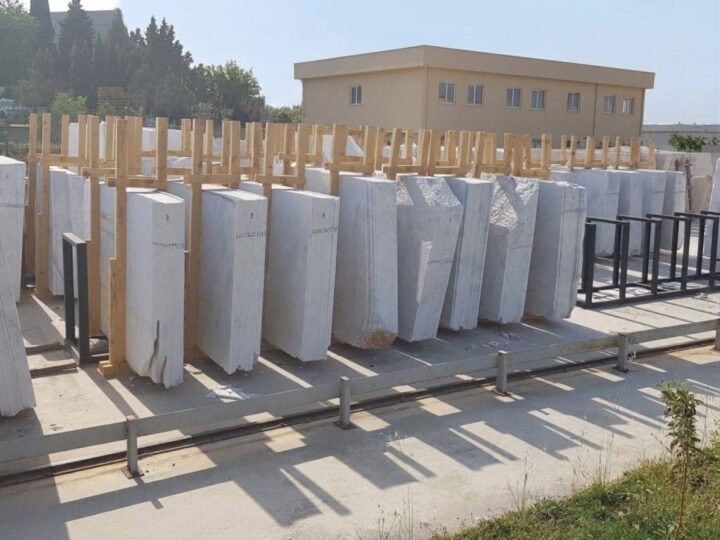
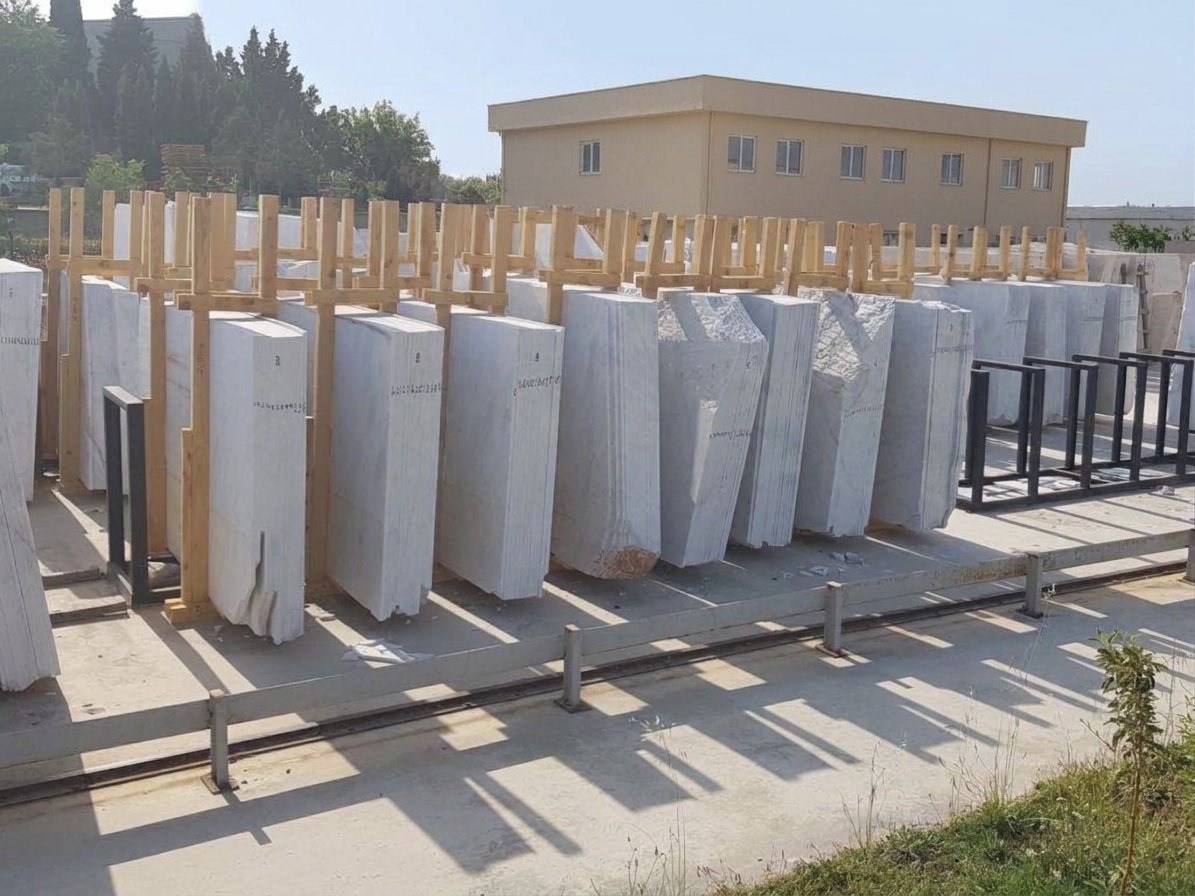
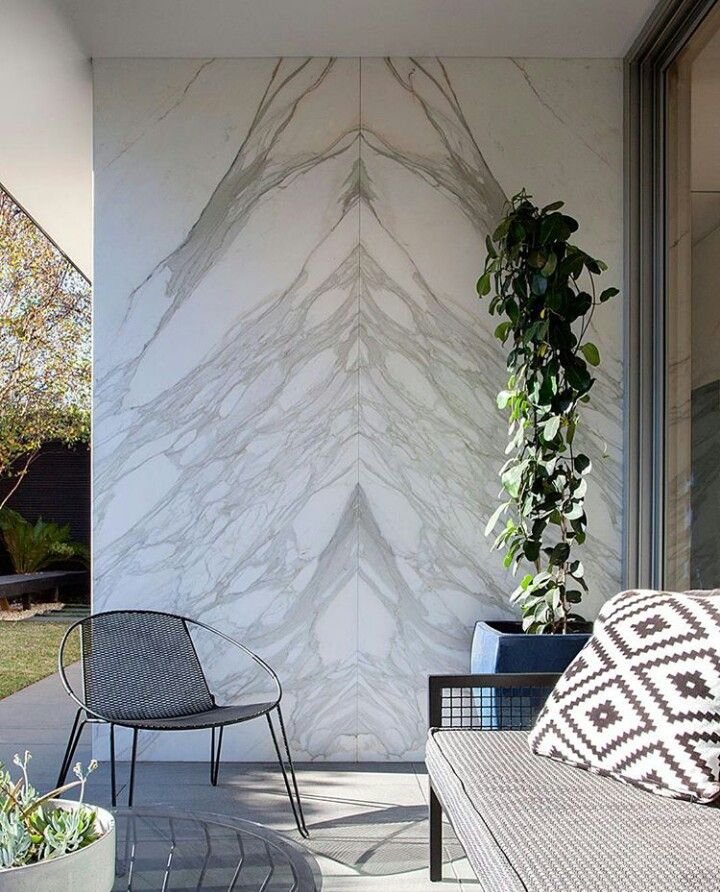
Slabs make sense when you can process stone yourself. A fabricator or a distributor serving fabricators gains flexibility: one slab can become a kitchen top, a vanity and a wall panel. Slabs also let you see the real veining before cutting, which matters for book-matched walls and statement floors.
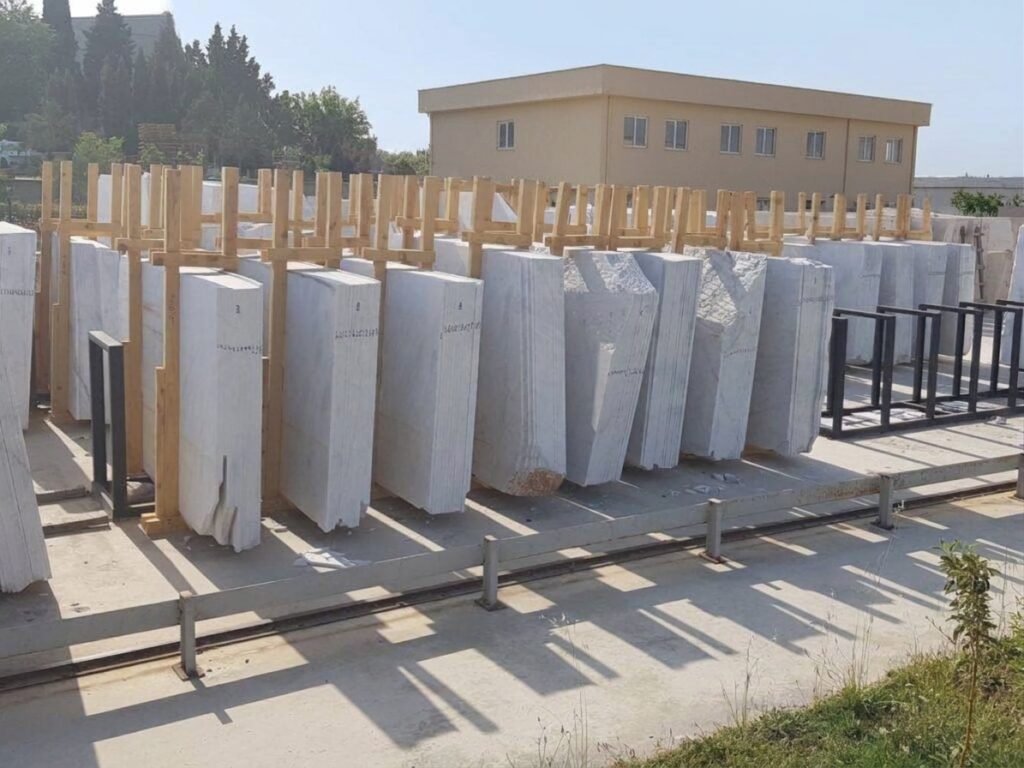
The trade-off is risk. Slabs are heavy, fragile sheets that travel in A-frames or bundles, and each block has its own colour. Ask for photos of every slab, a numbered packing list and slabs from the same block for one project. Resin and mesh backing should be stated in the offer, not discovered on arrival.
When are standard tiles, stairs and sills the better choice?
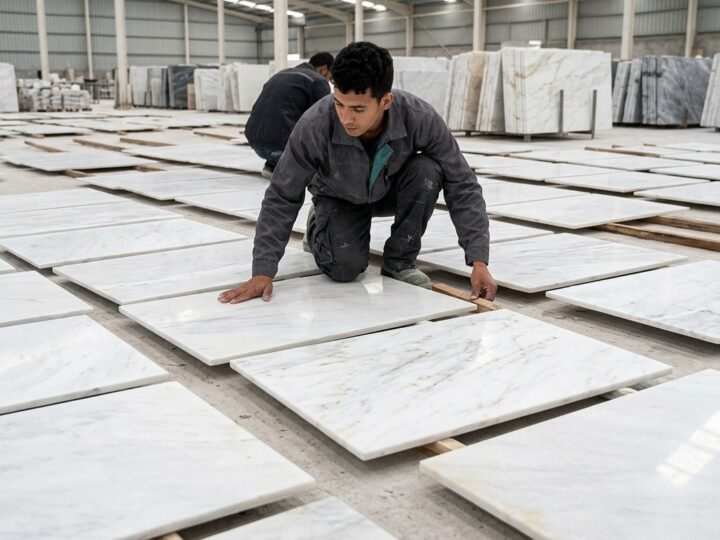
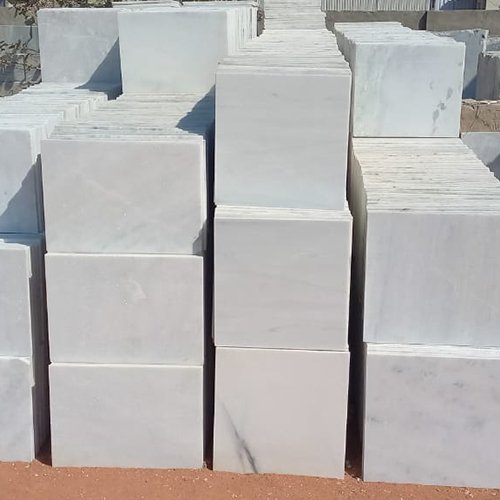
Standard products suit buyers who install or resell without a fabrication shop. Common formats include 30×60, 60×60 and 40×60 cm floor and wall tiles, stair treads and risers, window sills, pavers and mosaics. They arrive packed in crates, ready for the installer.
What you need to specify is simple but must be precise: stone name, finish, size, thickness, edge detail, quality grade and quantity per size. For travertine, state whether you want filled or unfilled, vein cut or cross cut, and tumbled or straight edges.
Why choose cut-to-size for a project?
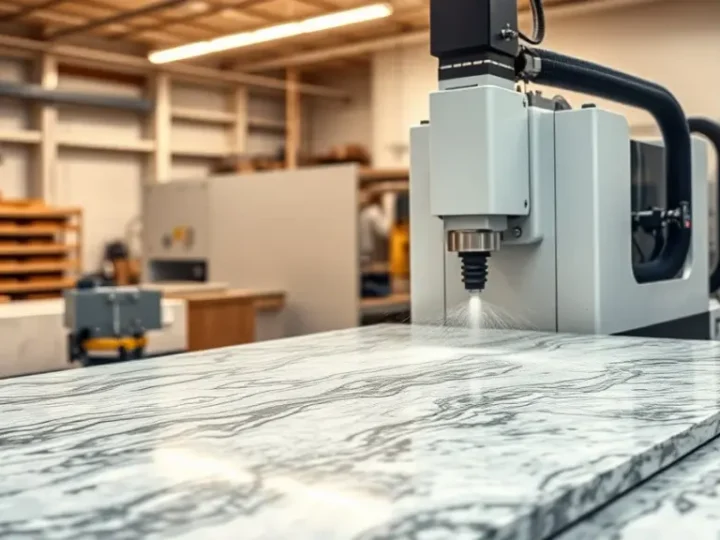
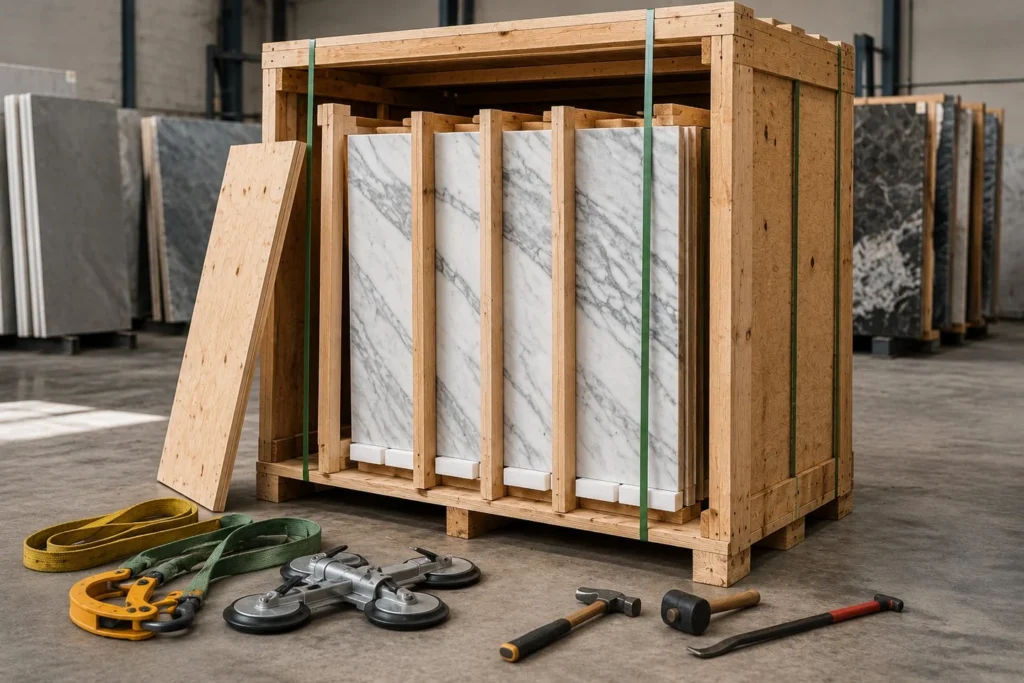
Cut-to-size works when the site has little room for error. Hotels, residences and public buildings often need hundreds of different pieces: floor panels, skirting, stairs with nosings, vanity tops, door frames and façade panels. Producing them in Türkiye from shop drawings means the installer receives pieces that already fit, with a number on each one.
The quality of the result depends on the drawings and the approval steps. Expect to approve stone samples, a colour range and the factory’s shop drawings before cutting starts. Late design changes are the most common source of delays and extra cost.
How do the formats compare on cost and lead time?
There is no single price rule, because stone type, quality grade, thickness and quantity matter more than format. In general, value is added in Türkiye as processing increases. Export figures from the Aegean region show this clearly: according to the Aegean Mineral Exporters’ Association (EMİB), in January–September 2026 processed natural stone exports averaged about 483 USD per tonne, compared with about 203 USD per tonne for blocks. Lead times also grow with processing: slabs from existing stock can ship quickly, while cut-to-size work follows the approval and production schedule.
Common mistakes and how to avoid them
- Ordering by name only. The same commercial name can cover different quarries and grades. Approve a physical sample.
- Mixing blocks on one project. Ask for the full quantity from one block or a defined colour range.
- Ignoring thickness tolerance. State the tolerance for tiles and stairs; installers notice it immediately.
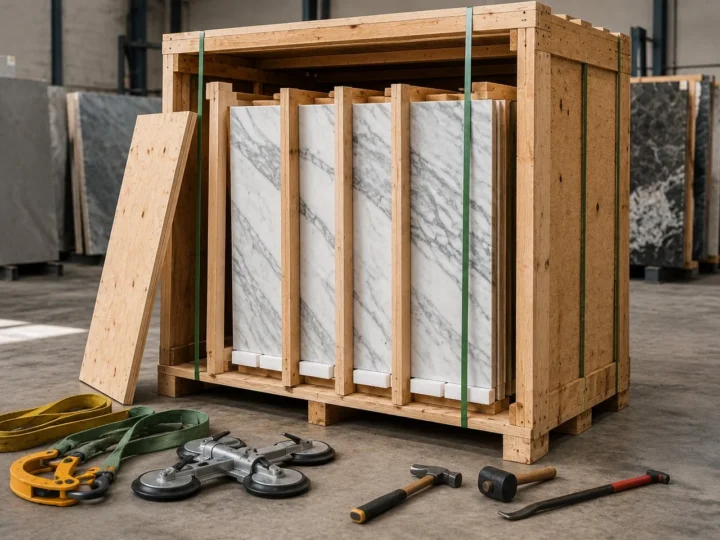
- Weak packing. Insist on fumigated or ISPM 15 marked wooden crates and A-frames suited to the route.
- Changing drawings after approval. On cut-to-size work, freeze the design before production.
How VDA helps
VDA is based in Muğla and supplies marble, travertine and other natural stone directly from partner quarries and factories in Türkiye. We work project by project: tell us where the stone will be used, the look you want and the quantity, and we come back with stone options, samples and a proposal. See our natural stone range or start with a project brief on the cut-to-size page.
Sources
- Aegean Mineral Exporters’ Association (EMİB), January–September 2026 export results, reported 9 October 2026.
- Anadolu Agency, report on Muğla marble sector, February 2026.
- EN 12057 (modular tiles), EN 12058 (slabs for floors and stairs), EN 1469 (slabs for cladding).
Frequently asked questions
Are slabs cheaper than tiles per square metre?
Not necessarily. Price depends mainly on stone type, grade, thickness and quantity. Slabs move processing cost to your own shop, along with breakage and offcut risk.
What thickness should I order?
Floor and wall tiles are commonly 1–2 cm; slabs are usually 2 or 3 cm. Stairs, heavy-traffic floors and façades need thickness set by the design and the stone’s test data.
Can I combine formats in one shipment?
Yes. A project can combine slabs for vanity tops, standard tiles for floors and cut-to-size stairs, packed and listed separately in the same container.
How do I make sure the colour matches across the project?
Ask for the full quantity from one block or an approved colour range, and photos of the actual material before loading.