Key takeaways
- Bitumen is the binder; asphalt is the finished mix of bitumen and aggregate.
- Penetration grades (EN 12591) run from 20/30 (hardest) to 160/220 (softest); lower numbers mean a harder binder.
- Hot climates and heavy traffic call for harder grades or PMB; cold climates and light traffic for softer grades.
- Store at the lowest temperature that still allows pumping, often around 140 to 160°C for paving grades.
- Insulated tank containers suit long distance export; drums and polybags suit sites without bulk storage.
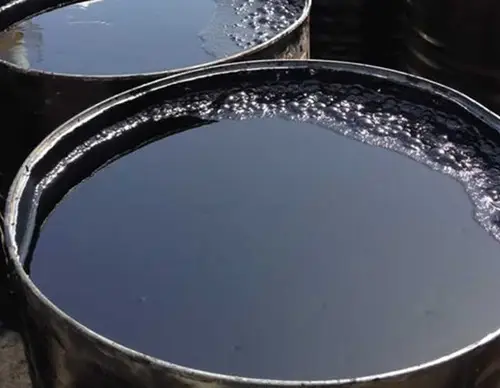
Bitumen is the black, sticky, high viscosity binder that holds a road together. It is refined from crude oil, and its job is to coat and glue mineral aggregate into asphalt, and to waterproof surfaces that have to keep water out for decades. This guide covers what bitumen is, how it is graded, how it is produced, and how to store and move it safely.
What is bitumen?
Two words often get mixed up. Bitumen is the binder. Asphalt, or asphalt concrete, is the finished mix of bitumen and graded aggregate that goes down on the road. In North American usage the binder itself is sometimes called asphalt or asphalt cement, which is worth keeping in mind when you read technical data sheets from different regions.
Bitumen is valued for two properties. It is a strong adhesive, so it bonds firmly to stone, and it is naturally waterproof, so it seals. It is also thermoplastic: it softens when heated and stiffens as it cools. That single behaviour drives almost everything about how bitumen is graded, stored, transported and applied.
- Roads and asphalt: the dominant use. Bitumen binds aggregate into hot mix asphalt for highways, urban roads, car parks and airport runways.
- Waterproofing: roofing membranes, bridge decks, tunnels, basements and reservoirs.
- Surface and soil works: surface dressing, tack and prime coats, soil stabilization and dust suppression.
How bitumen is produced
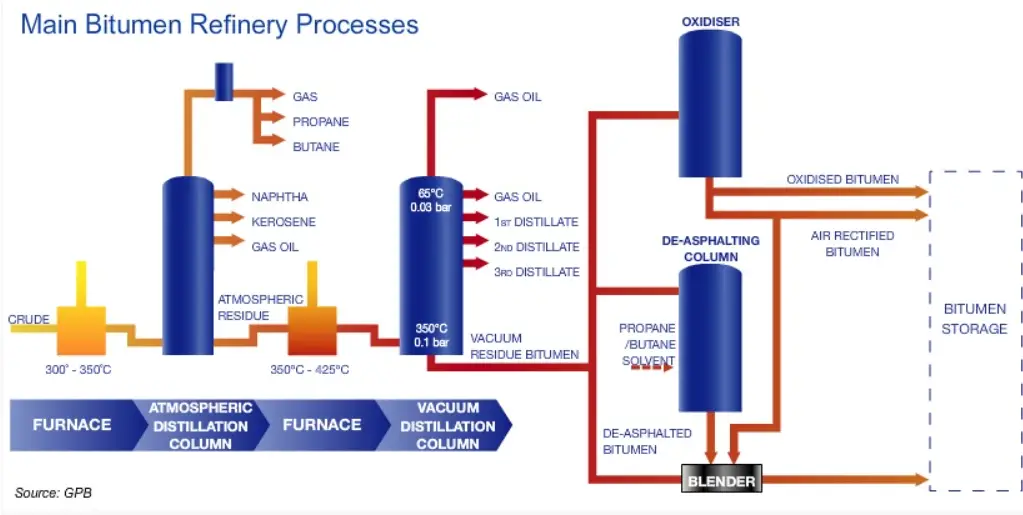
Most paving bitumen is a refinery product. Crude oil is heated and separated in a distillation column, where lighter fractions such as petrol, kerosene and diesel are drawn off first. The heavy residue left at the bottom is refined further under vacuum to reach a defined hardness. Paving grades are produced from this vacuum residue.
Harder industrial grades are made by air blowing, also called oxidation. Air is passed through hot bitumen, which raises its softening point and stiffens the material. Oxidized or blown bitumen is used mainly for roofing and industrial sealing rather than road paving.
The grade is set and checked by laboratory tests such as penetration and softening point. Two batches of the same grade should behave the same on site, which is exactly what a buyer is paying for. Consistency from batch to batch matters more than any single headline number.
Types of bitumen
- Penetration grade bitumen: classified by how far a standard needle sinks into the sample, for example 50/70 or 70/100 under EN 12591. The workhorse binder for hot mix asphalt.
- Viscosity grade bitumen: classified by viscosity, for example VG10 to VG40 under the Indian IS 73 system. Common across South Asia and parts of the Middle East.
- Performance grade (PG) bitumen: selected by climate under the Superpave system (AASHTO M320). PG 64-22 is rated for a maximum pavement temperature of 64°C and a minimum of minus 22°C.
- Polymer modified bitumen (PMB): blended with polymers such as SBS, SBR or EVA for more elasticity and resistance to rutting and cracking. Framework standard EN 14023.
- Bitumen emulsion: bitumen droplets suspended in water, applied cold or warm for tack coats, prime coats and chip seal. Cationic emulsions are specified to EN 13808.
- Cutback bitumen: thinned with a petroleum solvent so it flows at lower temperature; graded as rapid, medium or slow curing.
- Oxidized (blown) bitumen: air blown to a higher softening point for roofing felt, pipe coating and industrial sealing.
- Hard grade bitumen: stiff paving binders such as 20/30 or 35/50 for high modulus asphalt bases.
Bitumen grades explained
Penetration grade is the most common way to specify paving bitumen in Europe and many export markets. The two numbers give the penetration range in tenths of a millimetre, measured at 25°C. A lower number means a harder binder. Harder grades resist rutting in hot climates and under heavy traffic; softer grades stay flexible in the cold and resist cracking.
| Penetration grade (EN 12591) | Relative hardness | Softening point, approx. | Typical use |
|---|---|---|---|
| 20/30 | Very hard | 55 to 63°C | High modulus asphalt bases, very hot climates |
| 35/50 | Hard | 50 to 58°C | Heavy traffic, warm climates |
| 40/60 | Hard to medium | 48 to 56°C | Highways in warm regions |
| 50/70 | Medium | 46 to 54°C | General paving, moderate climates |
| 70/100 | Medium to soft | 43 to 51°C | Roads and maintenance, moderate to cool climates |
| 100/150 | Soft | 39 to 47°C | Cooler climates, lighter traffic |
| 160/220 | Very soft | 35 to 43°C | Cold regions, surface dressing |
Softening point ranges are indicative and follow EN 12591 grade bands. Always confirm exact values against the supplier’s technical data sheet for the batch you buy.
Reading a performance grade
The performance grade system describes climate, not hardness. In PG 64-22, the first number is the highest pavement temperature the binder is built for and the second is the lowest. Engineers pick the grade that brackets the temperature range the road will actually see.
Choosing a grade in one line: hot climate and heavy traffic push you towards a harder penetration grade or a higher PG. Cold climate and lighter traffic push you towards a softer grade. When rutting or fatigue is a real risk, polymer modified bitumen is usually the answer.
Storing bitumen
Bitumen has to be kept hot enough to pump, but no hotter than it needs to be. The guiding rule is to store at the lowest temperature that still allows pumping and handling. For paving grades that is often in the region of 140 to 160°C, with mixing temperatures typically up to 160 to 180°C depending on grade. The binder supplier’s technical data sheet is the reference to follow.
Overheating is the main risk. Holding bitumen too hot, or for too long, accelerates oxidation: the binder hardens, turns brittle and can lead to premature cracking on the road. It also raises fume and fire risk. Neat paving grades can be stored for weeks if temperature and stirring are controlled, but polymer modified binders should not be held hot for long periods, since the polymer can separate.
- Insulate tanks and keep heating even, with no local hot spots against the coils.
- Hold the set point with sensors and controls, and keep temperature records.
- Agitate or circulate where needed, especially for modified binders.
- Protect the binder from water and contamination.
Safety note. Hot bitumen causes serious burns and gives off fumes. Storage and handling temperatures, tank design and safety procedures should follow the supplier’s data sheet and be signed off by a qualified engineer.
Transporting bitumen
How binder is packed and shipped depends on volume, distance and whether the destination can receive bulk.
- Bulk road tankers: insulated, sometimes heated, for large volumes over short to medium distances where the site has bulk storage.
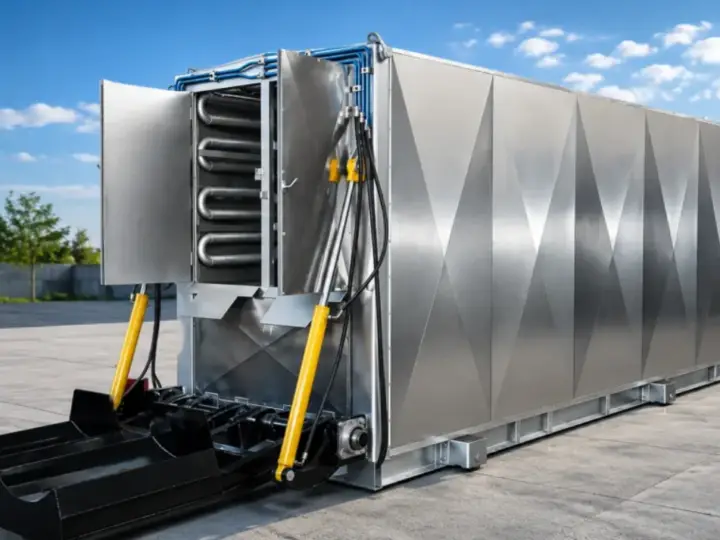
- Insulated tank containers (bitutainers): ISO tank containers, often heatable, the practical choice for long distance export. They hold temperature better than drums and reduce handling, contamination and loss.
- Steel drums: new drums of roughly 150 to 200 kg for sites without bulk facilities. The binder is melted on arrival, usually with a drum decanter.
- Polybags and jumbo bags: heat resistant bags of about one tonne that melt into the mix, reducing packaging waste.
Across every format, the two things that protect quality are temperature control and keeping water and dirt out of the binder.
The equipment a bitumen operation needs
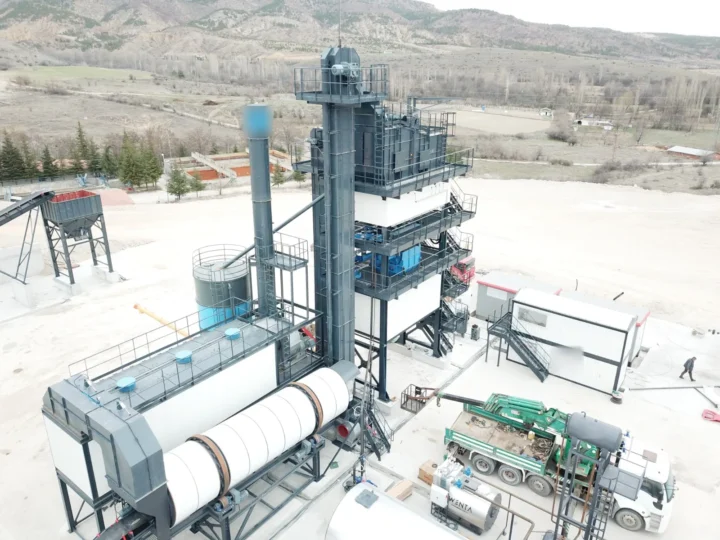
Before binder reaches a mix it has to be stored, heated, kept liquid and, in many cases, modified or emulsified. A typical operation runs heated storage tanks, a thermal fluid (hot oil) heater, drum decanters where binder arrives in drums, and dedicated emulsion or polymer modified bitumen plants where those products are made on site.
How VDA works on bitumen
VDA supplies paving grade bitumen from refineries in Iraq and the Gulf region. Every offer states the country of origin and the refinery, and each shipment comes with a Certificate of Origin and a Certificate of Analysis. Prices are given FOB, CFR or CIF with a clear validity date.
The storage, heating, emulsion and modification equipment is a separate scope: we source it from Turkish manufacturers through our Machinery & Plant Sourcing line. Send us your grade, volume, delivery port and packaging, and whether you need equipment as well.
Technical figures on this page, including grade bands, softening points and storage temperatures, are indicative and drawn from public industry standards such as EN 12591. They are not a substitute for a binder supplier’s technical data sheet or for engineering sign-off on a specific project.
Frequently asked questions
What is the difference between bitumen and asphalt?
Bitumen is the black binder refined from crude oil. Asphalt, or asphalt concrete, is the finished mix of bitumen and graded aggregate laid on the road. In North America the binder itself is sometimes called asphalt or asphalt cement.
Which bitumen grade should I use for a hot climate?
Hot climates and heavy traffic generally call for a harder penetration grade such as 35/50 or 40/60, a higher viscosity grade, or a performance grade with a high upper temperature. The final choice should follow the pavement design and the supplier's technical data sheet.
How is bitumen transported for export?
Common formats are bulk road tankers, insulated ISO tank containers (bitutainers), new steel drums of roughly 150 to 200 kg, and heat resistant polybags of about one tonne.
At what temperature is bitumen stored?
At the lowest temperature that still allows pumping, often around 140 to 160°C for paving grades. Exact set points should follow the supplier's data sheet.
Where does VDA's bitumen come from?
From refineries in Iraq and the Gulf region. Every offer states the country of origin and refinery, and each shipment comes with a Certificate of Origin and a Certificate of Analysis.