Key takeaways
- Mobile plants: about 50 to 500 tph, higher price per capacity, minimal civil works, relocation in hours.
- Stationary plants: about 100 to over 1,000 tph, lower cost per tonne for permanent high-volume sites.
- Stationary plants typically run at 10 to 15% lower cost per tonne thanks to grid power, less wear and higher utilisation.
Mobile plants offer flexibility and fast deployment. Stationary plants offer higher capacity and lower long-term operating costs. The right answer depends on site conditions, production targets, and project timeline.
Capital Cost
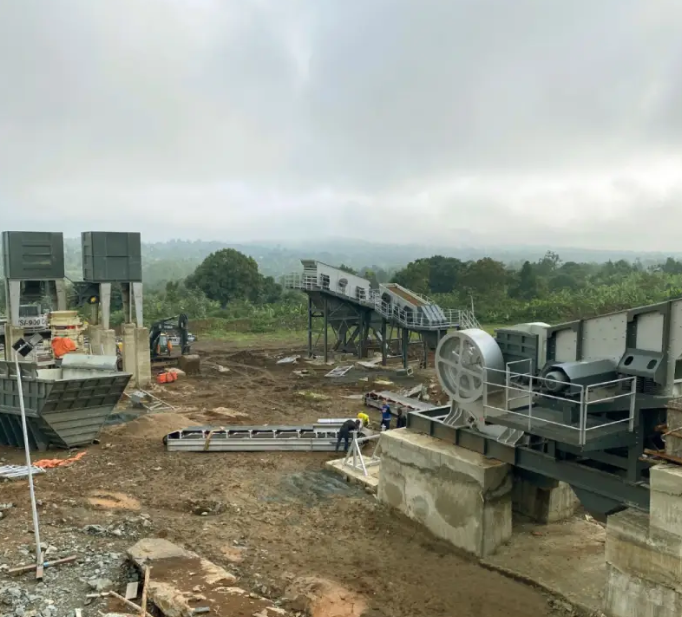
Mobile: Higher upfront purchase price for equivalent capacity, but eliminates civil engineering costs: foundations, power distribution, access roads. Civil work can represent 3–6 months of time and significant capital on a greenfield site.
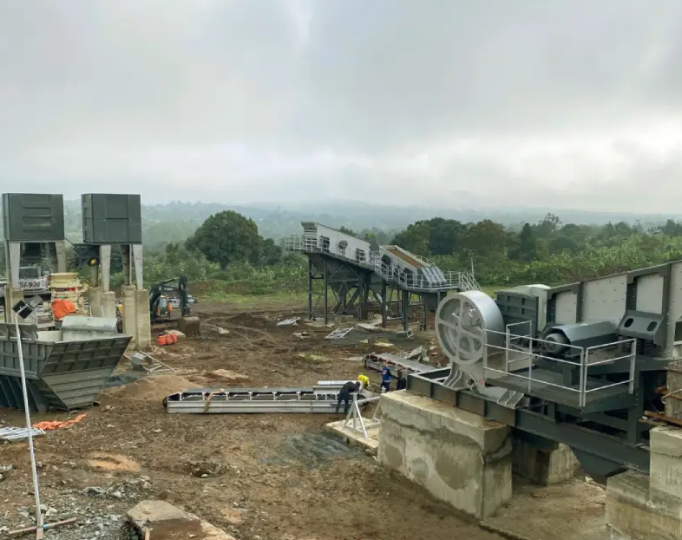
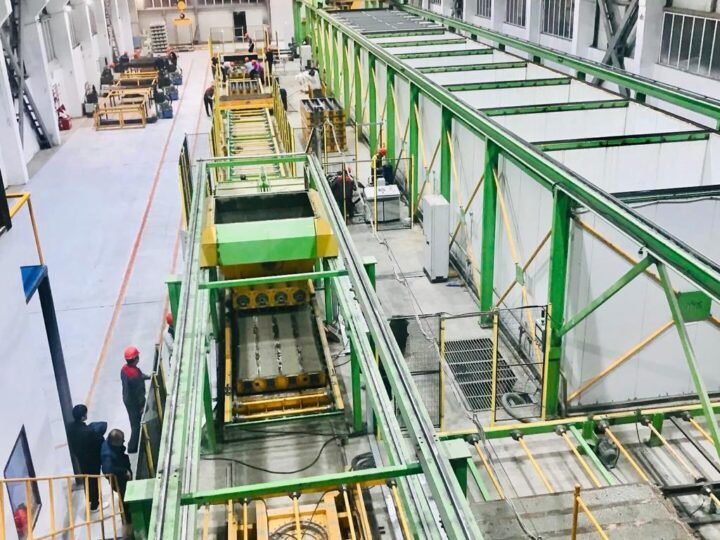
Stationary: Lower equipment purchase price for equivalent capacity; civil infrastructure costs must be added. For permanent high-capacity operations, total installed cost of a stationary plant is typically lower.
Production Capacity
Mobile: Practical capacity range: 50–500 tph. Compact, self-contained design limits maximum throughput.
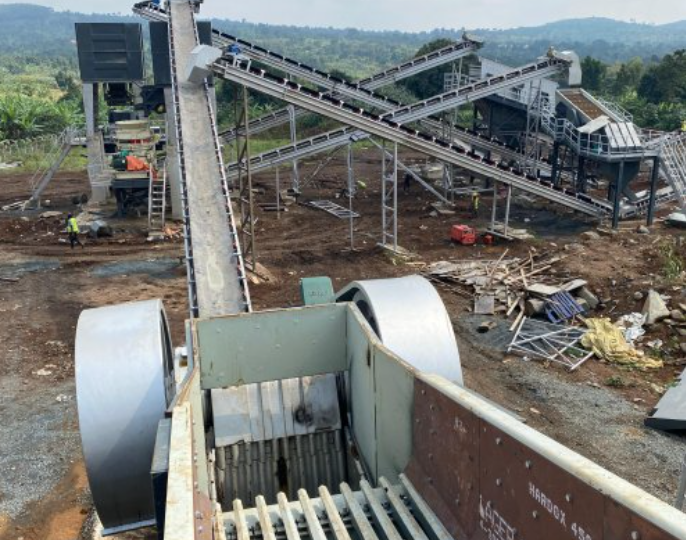
Stationary: Scales from 100 tph to over 1,000 tph. Only practical choice for large-scale, high-volume operations.
Flexibility and Deployment
Mobile: Can move to a new working face as the quarry progresses, follow road construction across hundreds of kilometres, or relocate between sites. Setup after relocation: hours, not weeks.
Stationary: Once installed, does not move. Relocating a stationary plant is a major undertaking: dismantling, transport, and reinstallation can take months.
Operating Cost per Tonne
Stationary plants typically operate at 10–15% lower cost per tonne than equivalent mobile plants due to: (1) grid power vs. diesel, (2) lower maintenance frequency from constant movement, (3) higher annual utilisation.
Side-by-side comparison
| Factor | Mobile | Stationary |
|---|---|---|
| Practical capacity | 50 to 500 tph | 100 to over 1,000 tph |
| Equipment price for equal capacity | Higher | Lower |
| Civil works | Minimal | Foundations, power distribution, access roads |
| Relocation | Hours | Months |
| Operating cost per tonne | Higher | Typically 10 to 15% lower |
How to decide
- Choose mobile when the work face moves, the project is temporary or spread over several sites, or you need to start production quickly.
- Choose stationary when the site is permanent, volumes are high and grid power is available.
VDA sources both mobile and stationary crushing and screening plants from Turkish manufacturers. Share your material, target capacity and site conditions, and we will come back with suitable configurations to compare.
Frequently asked questions
Which crushing plant has the higher capacity?
Stationary plants scale from about 100 tph to over 1,000 tph; mobile plants typically cover about 50 to 500 tph.
When is a mobile crushing plant the better choice?
When the work face moves, the project is temporary or spread over several sites, or production must start quickly without civil works.