

Cold mix and soil stabilisation pugmill plant
Continuous twin-shaft pugmill plants from 200 to 800 t/h for cement-treated base, soil stabilisation, cold asphalt and cold recycling.
- Capacity
- 200 to 800 t/h
- Mixer
- Continuous twin-shaft pugmill
- Binders
- Cement, lime, emulsion, foamed bitumen
- Heating
- None (cold process)
Indicative figures based on manufacturer data. Capacity and specification are confirmed in each offer.
What is a pugmill plant?
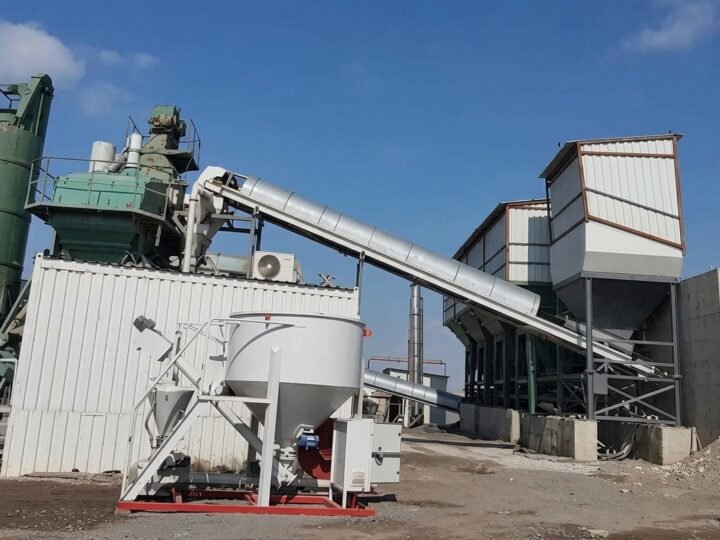
A pugmill plant is a continuous mixing plant that blends aggregate, soil or recycled asphalt with water and a binder such as cement, lime, bitumen emulsion or foamed bitumen, without heating. The heart of the plant is a twin-shaft pugmill mixer: two shafts with paddles turn in opposite directions and produce a uniform mix in seconds.
Pugmill plants produce cement-treated and lime-treated bases, wet mix macadam, stabilised soil for subgrades and embankments, and cold asphalt or cold recycled mixes. Capacities typically range from 200 to 800 tonnes per hour.
Why stabilise in a plant instead of in place?
Central plant mixing gives closer control of binder and water content than mixing on the road, and it allows stockpiled or hauled material to be used. In US federal guidance on cold recycling, continuous plants are noted as the most commonly used plant type, and emulsion as the most common binder for base courses.
How a pugmill plant works
Feeding
Aggregate, soil or RAP is fed from bins with weighing belts.
Binder dosing
Cement or lime is dosed from a silo by screw and weigh feeder; emulsion or foam bitumen by pump.
Water addition
Water is metered to reach the optimum moisture content of the mix.
Pugmill mixing
The twin-shaft mixer blends all components continuously in a few seconds.
Discharge
Mix goes to a discharge hopper or conveyor for truck loading.
Main units
Aggregate feed bins
Bins with belt feeders and a weighing belt for each material.
Cement or lime silo and screw
Silo with screw conveyor and weigh feeder for dry binder.
Water and emulsion dosing
Pumps and flow meters linked to the material flow.
Twin-shaft pugmill mixer
Wear-resistant paddles and liners; adjustable mixing time.
Control panel
Ratio control between material, binder and water.
Specifications
Typical values from manufacturer documentation. Final figures are confirmed in the manufacturer's offer for your project.
| Capacity range | 200 to 800 t/h |
|---|---|
| Mixer | Twin-shaft continuous pugmill |
| Binders | Cement, lime, bitumen emulsion, foamed bitumen |
| Plant type | Stationary or transportable |
| Power | Electric, from grid or generator |
Values depend on model and are confirmed in the manufacturer's offer.
Built for these buyers
Road and airport contractors
Produce stabilised bases and subbases to specification.
Rail projects
Prepare stabilised formation and sub-ballast layers.
Recycling operations
Turn RAP stockpiles into cold recycled base material.
Questions buyers ask
What is a pugmill used for in road construction?
It mixes aggregate or soil with water and a binder such as cement, lime, emulsion or foamed bitumen to make stabilised bases, subbases and cold asphalt mixes.
What is the difference between a pugmill and a hot mix plant?
A pugmill plant mixes cold, with no dryer or burner. A hot mix asphalt plant dries and heats aggregate and mixes it with hot bitumen.
What capacity do pugmill plants have?
Continuous pugmill plants are commonly built from 200 to 800 tonnes per hour, depending on mixer size and the number of feed bins.
Can a pugmill plant recycle old asphalt?
Yes. Processed RAP can be mixed with emulsion or foamed bitumen, often with a little cement, to make cold recycled base layers.
Is a pugmill plant mobile?
Both stationary and transportable versions exist. Transportable units are compact and suited to projects that move.
Related machinery
RAP Asphalt Recycling Equipment
Equipment to process reclaimed asphalt pavement (RAP) and feed it into hot or cold mixes: crushing, screening, RAP bins and dosing.
View details
Mobile Aggregate Dosing Hopper
Transportable hoppers with belt or screw feeders that store and dose sand, gravel or soil on site for asphalt, concrete and stabilisation…
View details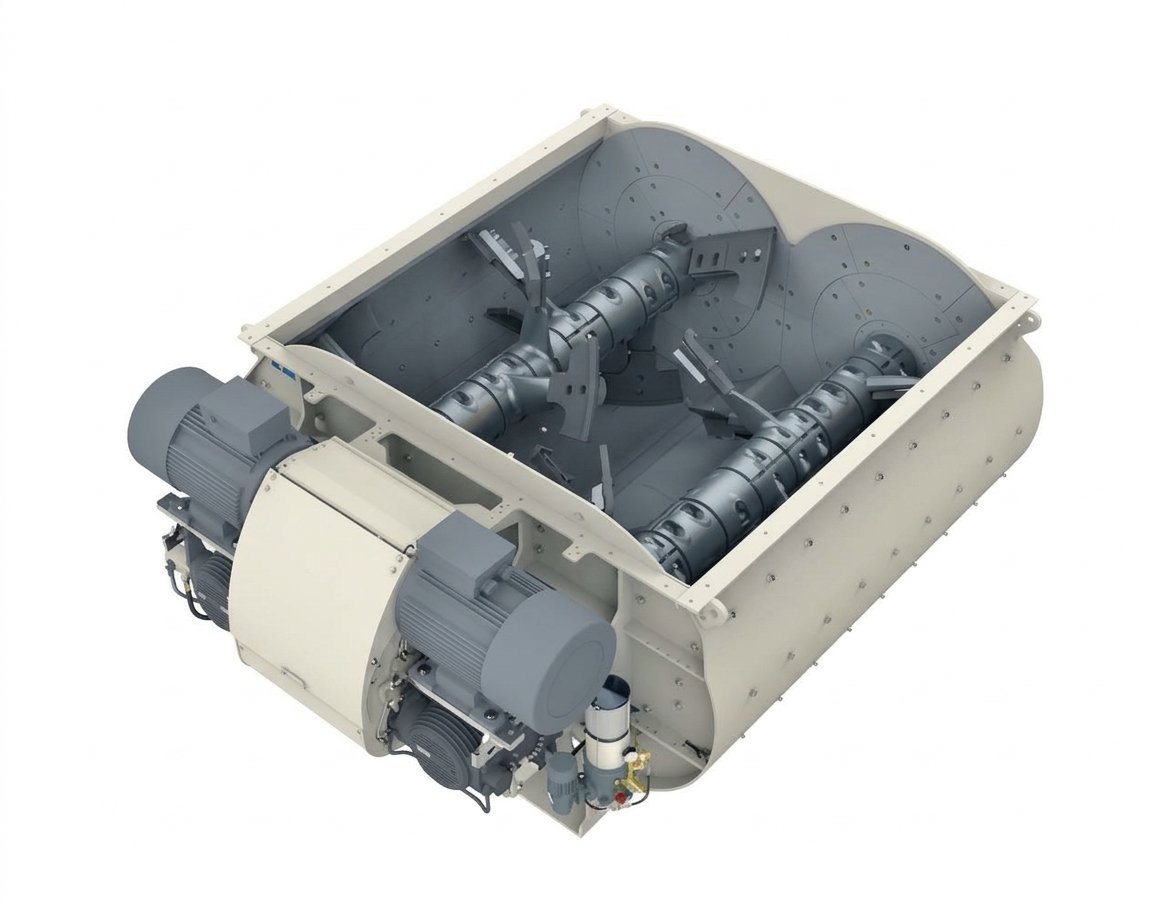
Twin-Shaft Asphalt Mixer
Twin-shaft paddle mixers that coat every aggregate particle with bitumen in each batch; the core of a batch asphalt plant.
View detailsGet offers for Cold Mix & Soil Stabilization Plant (Pugmill)
- Tell us the product, capacity and project country.
- We clarify the technical scope with you.
- You receive offers from suitable manufacturers to compare.
- Prefer WhatsApp? +90 543 797 58 57