
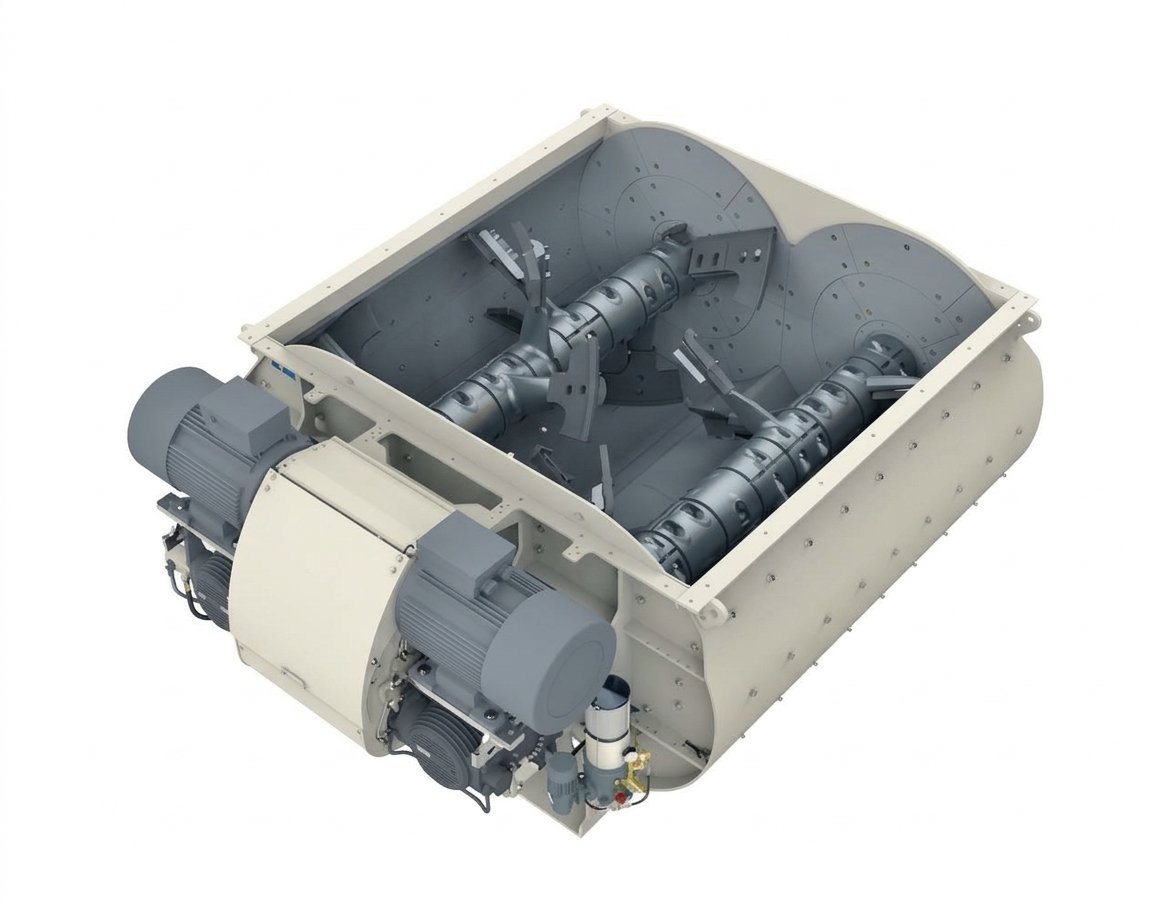
Twin-shaft asphalt mixer
Twin-shaft paddle mixers that coat every aggregate particle with bitumen in each batch; the core of a batch asphalt plant.
- Type
- Twin-shaft paddle mixer
- Used in
- Batch asphalt plants, pugmill plants
- Wear parts
- Arms, paddles, liners
- Capacity
- Batch size × cycles per hour
Indicative figures based on manufacturer data. Capacity and specification are confirmed in each offer.
What is a twin-shaft asphalt mixer?
A twin-shaft asphalt mixer (pugmill mixer) has two horizontal shafts fitted with arms and paddles that turn in opposite directions inside a heated, lined trough. The paddles move material around and across the mixer so that hot aggregate, filler, bitumen and additives are blended into a uniform mix in a short cycle. A discharge gate under the mixer drops each batch into a truck, a skip or a conveyor to the silos.
How does mixer size relate to plant capacity?
Capacity is batch size multiplied by the number of batches per hour. For example, a 2 tonne mixer working a 45 second cycle completes 80 batches an hour, which gives 160 t/h. Mix types that need longer mixing, such as stone mastic asphalt with fibres, lower the number of cycles and therefore the hourly output.
Main parts
Mixing trough and liners
Heavy body with replaceable heat and abrasion resistant liners.
Shafts, arms and paddles
Counter-rotating shafts with bolted, replaceable wear parts.
Drive and gear units
Synchronised drive that keeps both shafts in step.
Discharge gate
Pneumatic or hydraulic gate, single or double.
Bitumen spray bar
Distributes binder evenly across the mixer.
Specifications
Typical values from manufacturer documentation. Final figures are confirmed in the manufacturer's offer for your project.
| Mixer type | Twin-shaft, counter-rotating |
|---|---|
| Example | 2 t batch × 80 cycles/h = 160 t/h |
| Wear parts | Arms, paddles and liners, replaceable |
| Discharge | Pneumatic or hydraulic gate |
Batch size and drive power are confirmed in the manufacturer's offer.
Built for these buyers
Batch plant owners
Replace a worn mixer or increase batch size.
New plant buyers
Match mixer size to the target output and mix types.
Questions buyers ask
Why do asphalt plants use twin-shaft mixers?
Two counter-rotating shafts move material in a figure-eight pattern, coating aggregate quickly and evenly, which keeps cycle times short and mix quality consistent.
How do I calculate batch plant capacity from mixer size?
Multiply batch size by batches per hour. A 2 t mixer on a 45 second cycle gives 80 batches and 160 t/h; longer cycles reduce output.
How long does mixing take in a batch plant?
Usually a few seconds of dry mixing followed by wet mixing after bitumen is added, with the total cycle under one minute for standard mixes.
Which parts of the mixer wear out?
Arms, paddles and liners wear from hot abrasive aggregate. They are bolted on and replaced as sets; we also supply them through our spare parts line.
Related machinery
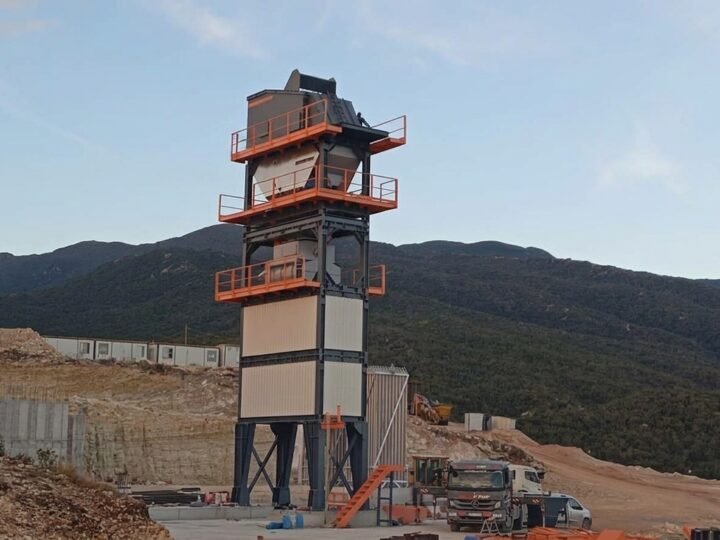
Stationary Batch Asphalt Plant
Fixed batch-type hot mix asphalt plants from 60 to 400 t/h. Every batch is weighed, so recipes change quickly and mix quality…
View details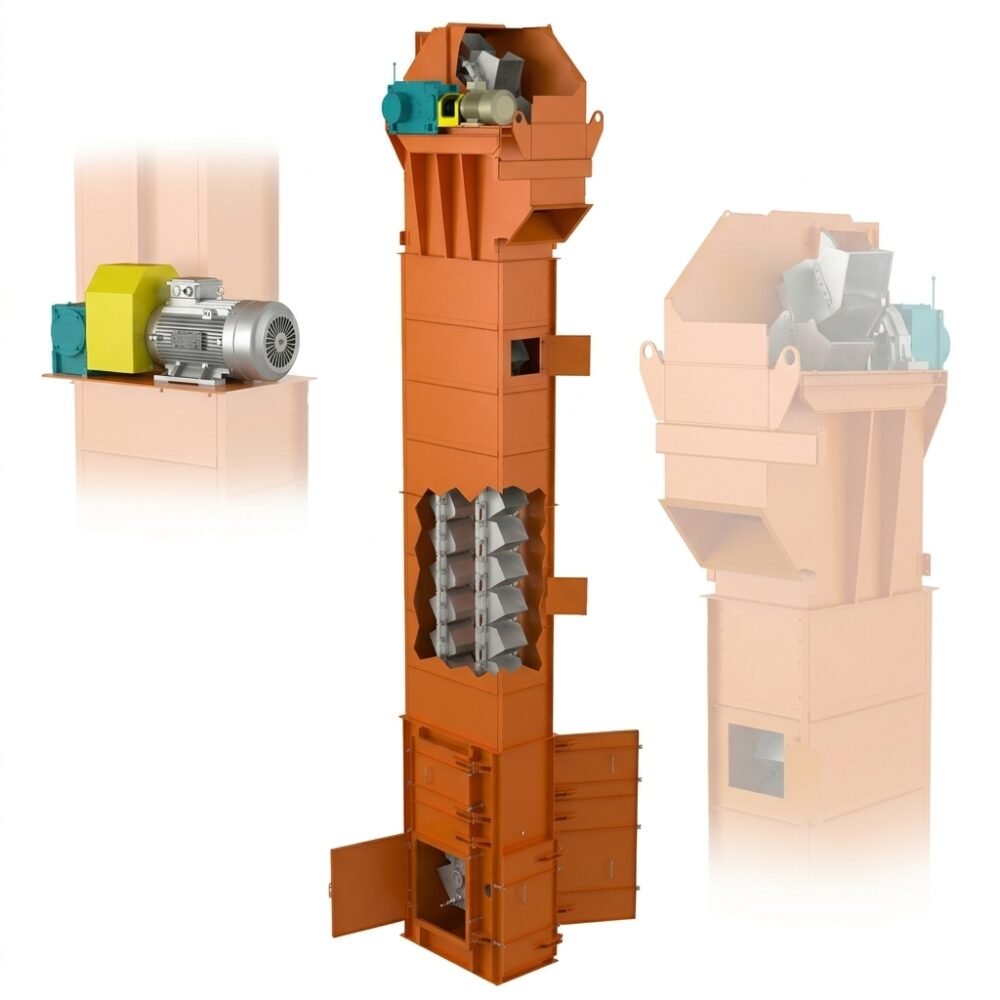
Hot Aggregate & Filler Bucket Elevators
Chain bucket elevators that lift hot aggregate to the screen and filler to its silo, built for heat, abrasion and continuous duty.
View details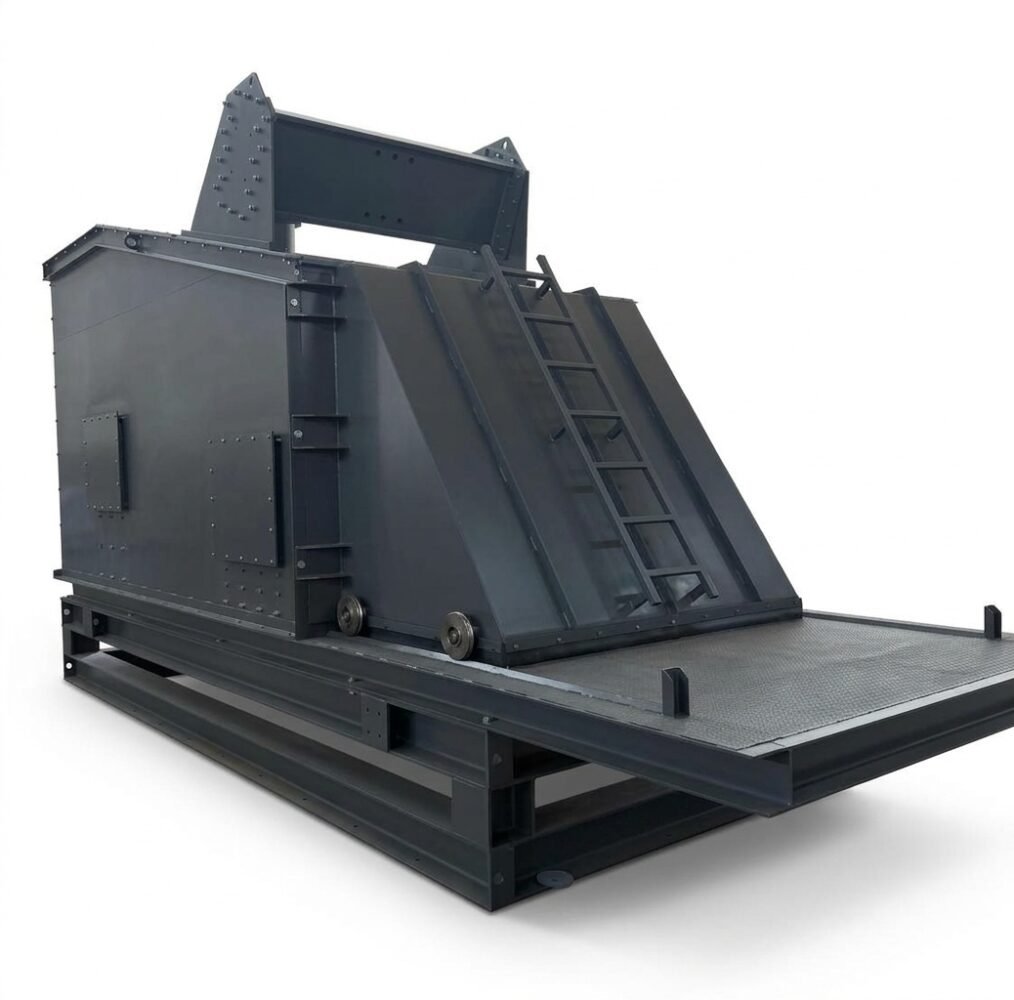
Asphalt Plant Vibrating Screen
Enclosed multi-deck hot screens that split dried aggregate into 4 to 6 size fractions above the hot bins of a batch plant.
View detailsGet offers for Twin-Shaft Asphalt Mixer
- Tell us the product, capacity and project country.
- We clarify the technical scope with you.
- You receive offers from suitable manufacturers to compare.
- Prefer WhatsApp? +90 543 797 58 57