
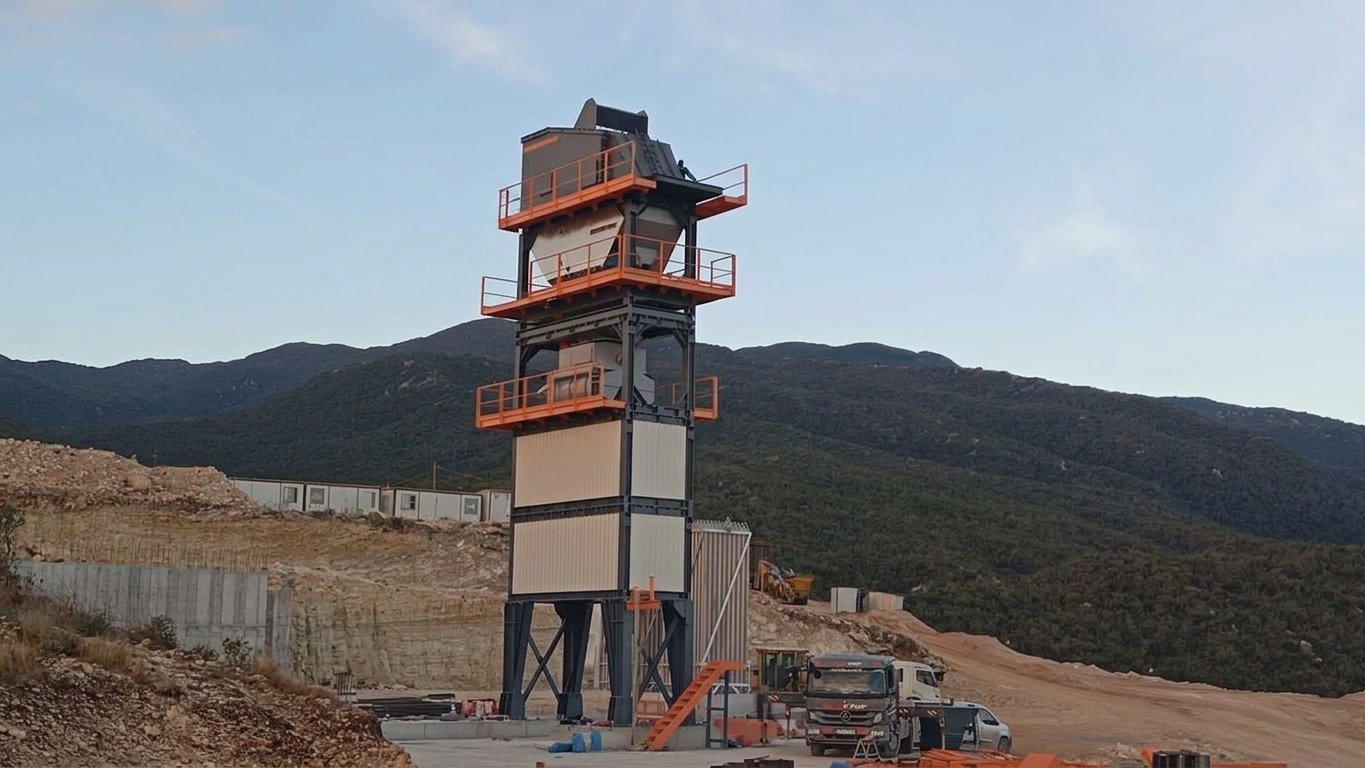
Stationary batch asphalt plant
Fixed batch-type hot mix asphalt plants from 60 to 400 t/h. Every batch is weighed, so recipes change quickly and mix quality stays consistent.
- Capacity
- 60 to 400 t/h
- Mixing
- Batch type, twin-shaft mixer
- Screen
- 4 to 6 hot fractions
- Dust collection
- Bag filter (baghouse)
Indicative figures based on manufacturer data. Capacity and specification are confirmed in each offer.
What is a stationary batch asphalt plant?
A stationary batch asphalt plant is a fixed hot mix asphalt (HMA) facility that produces asphalt in separate, weighed batches. Aggregates are dried and heated, screened into size fractions, then each fraction, the filler and the bitumen are weighed for every batch and mixed in a twin-shaft mixer. Capacities typically run from 60 to 400 tonnes per hour.
Because each batch is weighed, the plant can switch between wearing course, binder course, base course, stone mastic asphalt and coloured or modified mixes with little waste. That makes batch plants the usual choice for commercial asphalt producers, municipalities and contractors who supply many different specifications from one site.
Batch plant or drum mix plant?
| Point | Batch plant | Continuous drum mix plant |
|---|---|---|
| Production | In batches, typically under 60 seconds per mixing cycle | Continuous flow |
| Recipe changes | Fast, batch by batch | Slower; best on long runs of one mix |
| Hot screening | Yes, hot aggregate is screened and re-weighed | No, proportioning is done at the cold feed |
| Investment and energy | Higher: more components | Lower: simpler layout |
| Best for | Many mix types, strict specifications, urban supply | High-volume road projects with one or two mixes |
How much does a batch asphalt plant cost?
Price depends mainly on capacity, the number of hot bins and screen decks, the filter size, the burner fuel, storage silo capacity, the level of automation and options such as RAP feeding or fibre dosing. Send us your target output, mix types and project country, and we will return comparable offers from Turkish manufacturers.
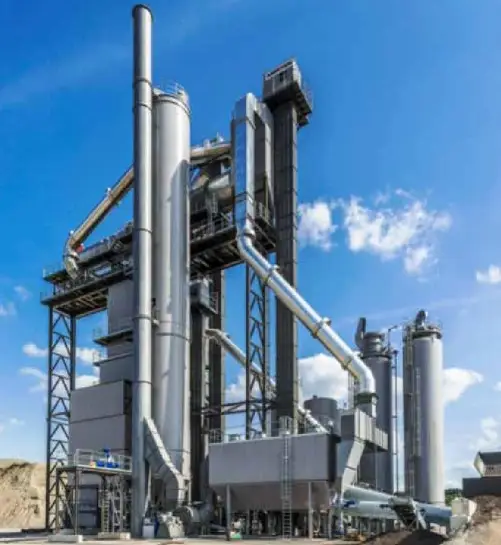
How a batch asphalt plant works
Cold feed
Aggregates are loaded into cold feed bins. Belt feeders under each bin dose sand and stone at the rate set by the control system.
Drying and heating
A rotary dryer with a burner removes moisture and heats the aggregate. Every 1% of moisture removed costs roughly 10% more fuel, so dry stockpiles pay back quickly.
Hot elevator and screen
A bucket elevator lifts the hot aggregate to a vibrating screen that splits it into 4 to 6 size fractions stored in hot bins.
Weighing
Each fraction, the filler and the bitumen are weighed separately for every batch to the selected recipe.
Mixing
The twin-shaft mixer blends aggregate and filler for a few seconds, then bitumen is added. A full cycle usually takes less than a minute.
Storage and loading
Finished asphalt drops into trucks or is carried to insulated hot mix silos for storage and loading.
Main units of the plant
Cold feed bins
Four to six bins with frequency-controlled belt feeders. Bin count and volume follow the number of aggregate sizes in your recipes.
Rotary dryer and burner
Insulated drum with lifting flights and a burner for diesel, heavy fuel oil, natural gas or LPG.
Hot elevator and vibrating screen
Chain bucket elevator and an enclosed multi-deck screen feeding the hot bins.
Weighing and mixing tower
Load-cell hoppers for aggregate, filler and bitumen above a twin-shaft paddle mixer.
Baghouse filter
Fabric filter that captures dust from the dryer exhaust; recovered filler can be returned to the mix.
Bitumen tanks and thermal oil heater
Heated, insulated tanks with a hot oil system that keeps binder and lines at working temperature.
Hot mix storage silos
Insulated silos that let the plant keep producing while trucks are not yet at the loading point.
Control cabin
PLC-based control with recipe management, batch records and burner and filter monitoring.
Output by size
Typical values from manufacturer documentation, per 8 hour shift. Final figures are confirmed in the manufacturer's offer for your project.
Main data by plant size
| Plant size | 80 t/h | 100 to 120 t/h | 160 t/h | 240 t/h | 300 t/h |
|---|---|---|---|---|---|
| Mixer capacity (kg per batch) | 1,000 | 1,250 | 2,000 | 3,000 | 4,000 |
| Mixer drive (kW) | 2 × 15 | 2 × 18.5 | 2 × 22 | 2 × 37 | 2 × 55 |
| Dryer drum drive (kW) | 4 × 5.5 | 4 × 7.5 | 4 × 11 | 4 × 15 | 4 × 22 |
| Hot elevator (t/h) | 80 | 120 | 160 | 230 | 300 |
| Hot screen area (m²) | 12 | 12 | 23 | 23 | 28 |
| Filter air flow (Nm³/h) | 28,000 | 30,000 | 44,000 | 58,000 | 78,000 |
| Filter bags | 200 | 296 | 300 | 384 | 528 |
| Filter cloth area (m²) | 460 | 490 | 640 | 880 | 1,100 |
| Filler weigher (kg) | 100 | 150 | 200 | 300 | 400 |
| Bitumen weigher (kg) | 100 | 150 | 200 | 250 | 350 |
Indicative manufacturer data. Common to all sizes: 4 to 8 cold feed bins of 12 m³, 5-deck hot screen, 5 hot bins (16 t total), 40 m³ insulated bitumen tank.
Specifications
Typical values from manufacturer documentation. Final figures are confirmed in the manufacturer's offer for your project.
| Capacity range | 60 to 400 t/h |
|---|---|
| Plant type | Stationary, batch type |
| Mixer | Twin-shaft, batch weighed |
| Mixing cycle | Typically under 60 seconds |
| Hot screen | 4, 5 or 6 fractions |
| Burner fuel | Diesel, heavy fuel oil, natural gas or LPG |
| Dust collection | Primary collector plus bag filter |
| Options | RAP feeding, fibre dosing, additional silos, filler silo |
Values depend on model and are confirmed in the manufacturer's offer.
Built for these buyers
Asphalt producers
Supply many mix designs to different customers from one fixed site.
Road contractors
Run a long-term base plant for highway and urban works.
Municipalities and public works
Produce their own asphalt for city roads, repairs and maintenance.
Questions buyers ask
What is the capacity of a batch asphalt plant?
Stationary batch plants are usually built between 60 and 400 tonnes per hour. Output in practice depends on aggregate moisture, the mix recipe and the mixer cycle time, so the rated capacity is normally stated at a given moisture content.
What is the difference between a batch and a drum mix asphalt plant?
A batch plant screens and weighs hot aggregate for every batch and mixes it in a separate mixer, which gives tight control and quick recipe changes. A drum mix plant proportions material at the cold feed and dries and mixes it continuously in the drum, which is simpler and cheaper but less flexible when mixes change often.
How long does one batch take?
A typical batch cycle is under one minute: a few seconds of dry mixing, then mixing after the bitumen is added. Plant capacity equals batch size multiplied by the number of cycles per hour.
What fuel does an asphalt plant burner use?
Burners run on diesel, heavy fuel oil, natural gas or LPG; some are dual-fuel. The choice depends on local fuel price and availability, and on emission rules at the site.
Can a batch plant use recycled asphalt (RAP)?
Yes. RAP can be fed cold into the weigh hopper or mixer, which usually limits it to a modest share of the mix, or heated in a separate RAP dryer for higher rates.
How is an asphalt plant shipped from Türkiye?
Stationary plants are broken down into modules and shipped in standard and open-top or flat-rack containers, with oversized parts as break bulk. Manufacturers prepare a packing list and loading plan with the offer.
Related machinery
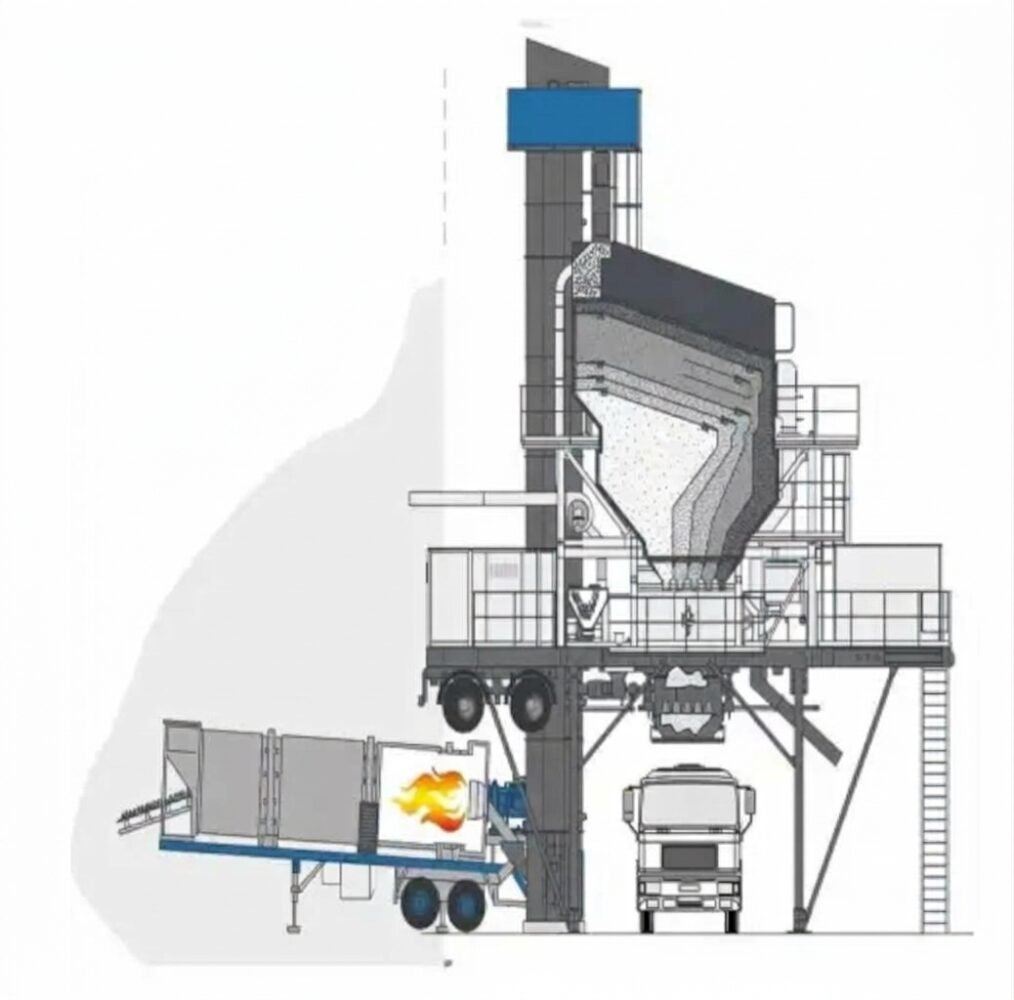
Mobile Asphalt Plant
Transportable batch-type asphalt plants from 40 to 200 t/h, built on chassis modules so production can follow the road project.
View details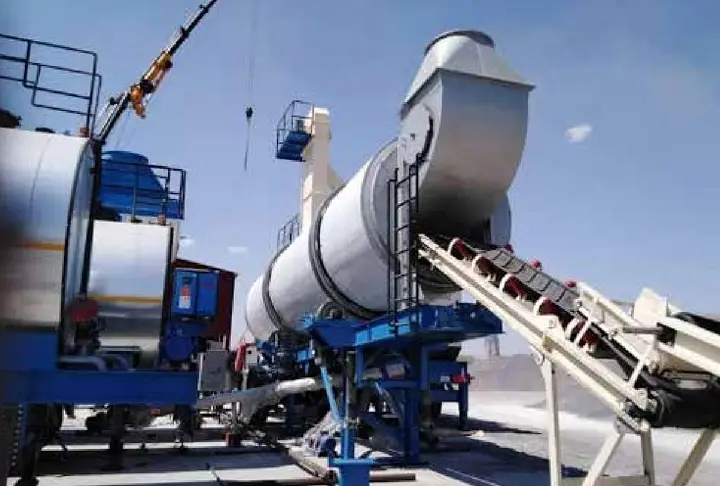
Continuous Drum Mix Asphalt Plant
Continuous asphalt plants that dry and mix in one drum, for high, steady output of one or two mixes on road projects.
View details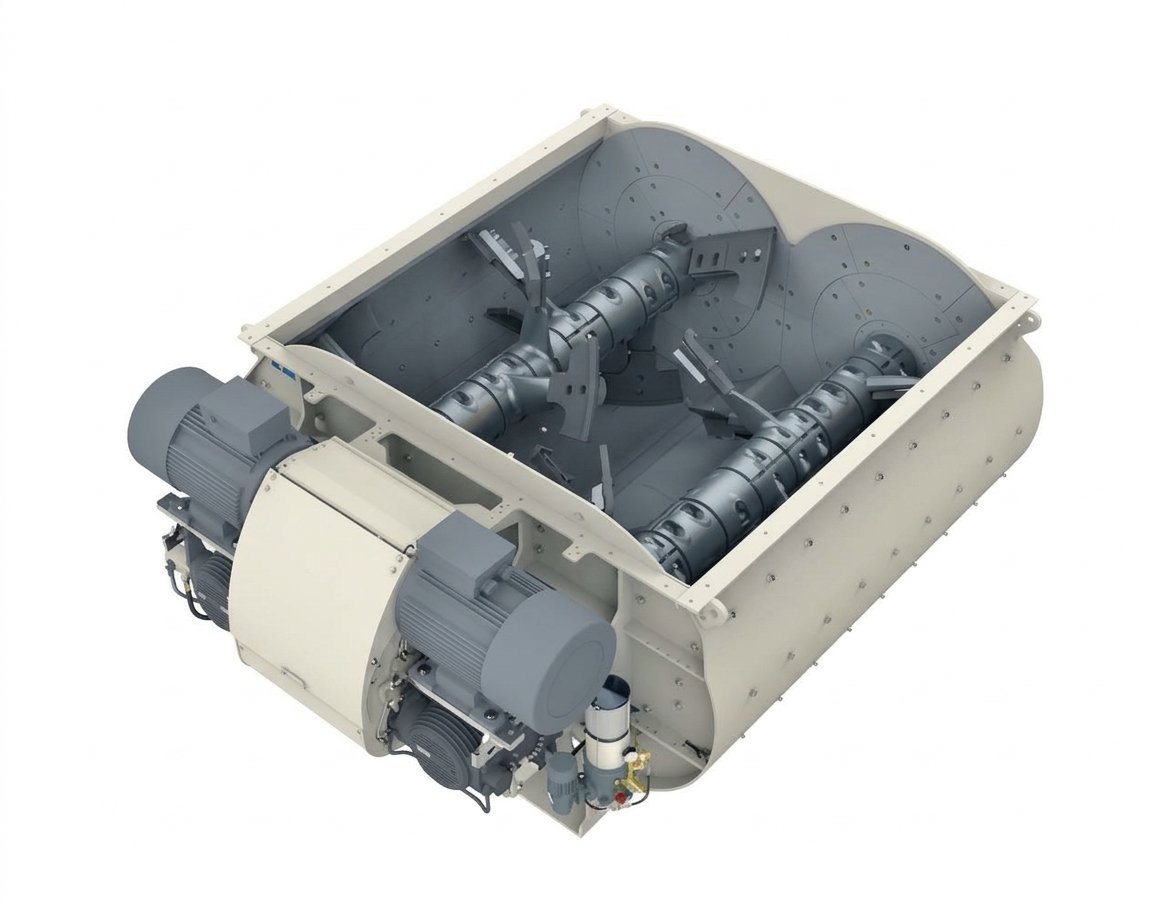
Twin-Shaft Asphalt Mixer
Twin-shaft paddle mixers that coat every aggregate particle with bitumen in each batch; the core of a batch asphalt plant.
View detailsGet offers for Stationary Batch Asphalt Plant
- Tell us the product, capacity and project country.
- We clarify the technical scope with you.
- You receive offers from suitable manufacturers to compare.
- Prefer WhatsApp? +90 543 797 58 57