
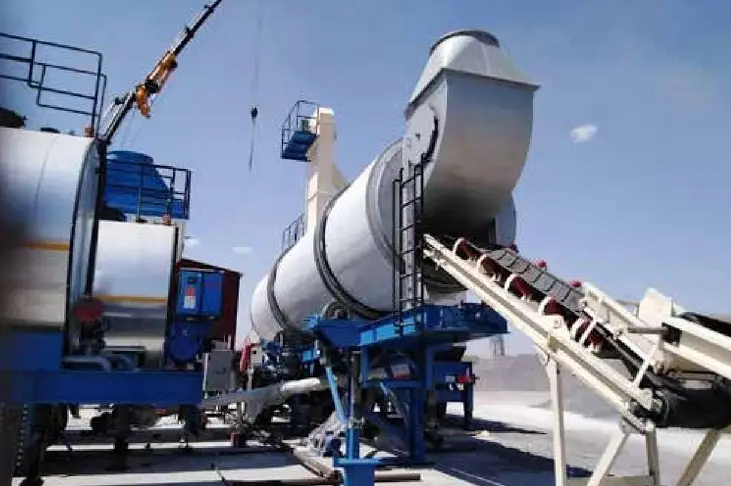
Continuous drum mix asphalt plant
Continuous asphalt plants that dry and mix in one drum, for high, steady output of one or two mixes on road projects.
- Capacity
- Common mobile sizes 140 to 160 t/h
- Mixing
- Continuous, in drum
- Proportioning
- Cold feed with belt scale
- Best for
- Long runs of one mix
Indicative figures based on manufacturer data. Capacity and specification are confirmed in each offer.
What is a drum mix asphalt plant?
A drum mix (continuous) asphalt plant dries, heats and mixes aggregate with bitumen in one rotating drum, without hot screens, hot bins or a separate batch mixer. Aggregate is proportioned at the cold feed and weighed on a belt scale, and the bitumen pump is linked to that weight so the binder content stays constant while the plant runs.
With fewer components, a drum plant costs less to buy, move and maintain than a batch plant of similar output. It performs best on long runs of the same mix, such as highway base and binder courses. Mobile drum mix plants around 140 to 160 t/h are a common size for road projects.
Parallel flow or counterflow?
In a parallel flow drum, aggregate and burner gases move in the same direction and bitumen is added part way along the drum. In a counterflow drum, aggregate moves against the gas flow and mixing takes place away from the flame, which gives better fuel efficiency and allows high recycled asphalt rates. US EPA data notes that counterflow drum plants can normally process RAP at up to 50% with little effect on emissions.
How a drum mix plant works
Cold feed
Each aggregate bin is dosed by a variable-speed feeder to the mix recipe.
Weighing
A belt scale measures the combined aggregate flow continuously.
Drying and heating
The burner dries and heats aggregate as it travels through the drum.
Binder addition
A metering pump adds bitumen in proportion to the weighed aggregate; filler and RAP enter the mixing zone.
Discharge
Hot mix leaves the drum and is conveyed to a surge bin or storage silo for truck loading.
Main units
Cold feed bins
Bins with variable-speed feeders and a collecting belt with belt scale.
Dryer-mixer drum
Single drum for drying, heating and mixing, parallel flow or counterflow.
Burner
Burner sized to output and moisture, for liquid or gas fuel.
Bag filter
Captures dust from drum exhaust; fines return to the mix.
Bitumen tank and metering pump
Heated tank with pump interlocked to the aggregate flow.
Surge bin or silo
Holds hot mix so trucks can load without stopping the plant.
Specifications
Typical values from manufacturer documentation. Final figures are confirmed in the manufacturer's offer for your project.
| Plant type | Continuous drum mix, mobile or stationary |
|---|---|
| Typical mobile size | 140 to 160 t/h |
| Drum design | Parallel flow or counterflow |
| RAP | Higher rates possible with counterflow drums |
| Burner fuel | Diesel, heavy fuel oil, natural gas or LPG |
| Dust collection | Bag filter |
Other capacities are available on request. Values are confirmed in the manufacturer's offer.
Built for these buyers
Highway contractors
Produce large volumes of one base or binder mix close to the works.
Buyers with a tight budget
Get high output with fewer components and lower running cost.
Questions buyers ask
What is a drum mix asphalt plant?
It is a continuous hot mix plant in which one rotating drum dries the aggregate and mixes it with bitumen. Aggregate is proportioned at the cold feed and the bitumen pump follows the weighed aggregate flow.
Is a drum mix plant cheaper than a batch plant?
Usually yes. It has no hot elevator, screen, hot bins or batch mixer, so purchase, transport and maintenance costs are lower for the same output.
What are the disadvantages of a drum mix plant?
Recipe changes are slower and hot aggregate is not re-screened, so final grading depends on stockpile consistency. It is less suited to producers who supply many mix types each day.
How much RAP can a drum plant use?
Counterflow drums handle the highest recycled content, with US EPA data citing up to 50%. The practical limit also depends on RAP quality, moisture and the mix specification.
Can a drum mix plant produce stone mastic asphalt?
It can, with fibre and filler dosing systems, but producers who make SMA and other special mixes regularly usually prefer a batch plant for tighter control.
Related machinery
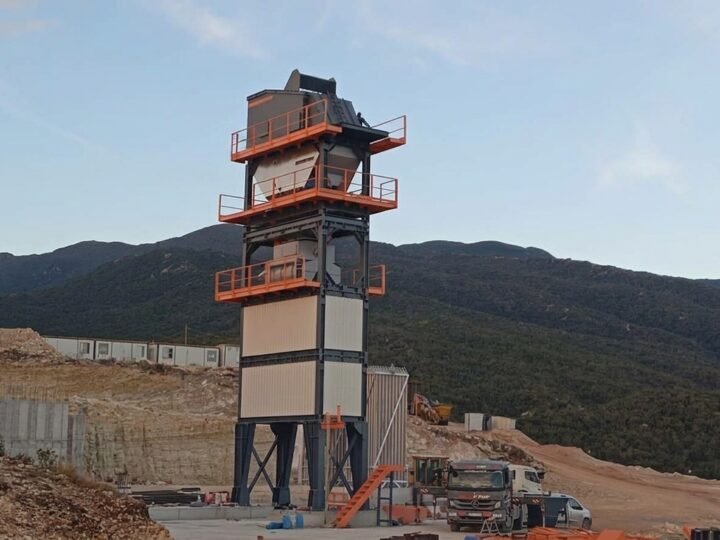
Stationary Batch Asphalt Plant
Fixed batch-type hot mix asphalt plants from 60 to 400 t/h. Every batch is weighed, so recipes change quickly and mix quality…
View details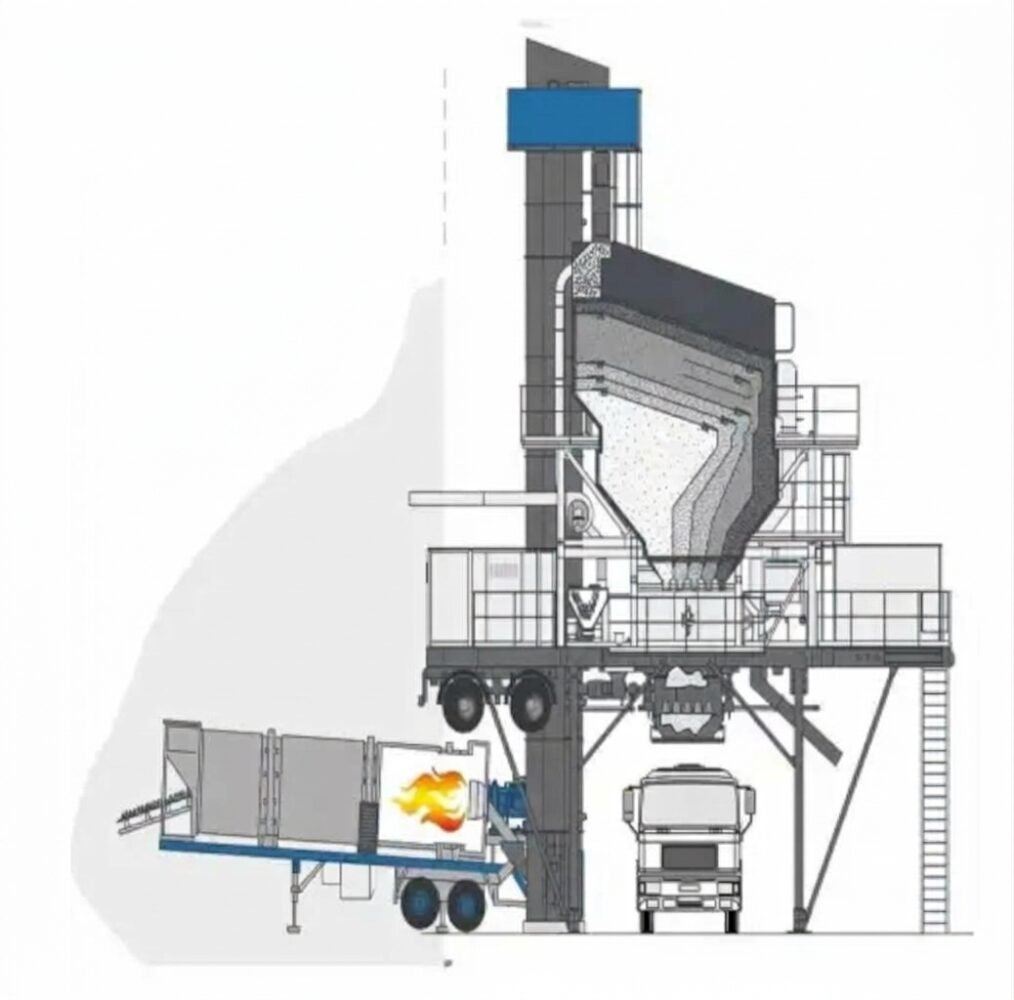
Mobile Asphalt Plant
Transportable batch-type asphalt plants from 40 to 200 t/h, built on chassis modules so production can follow the road project.
View details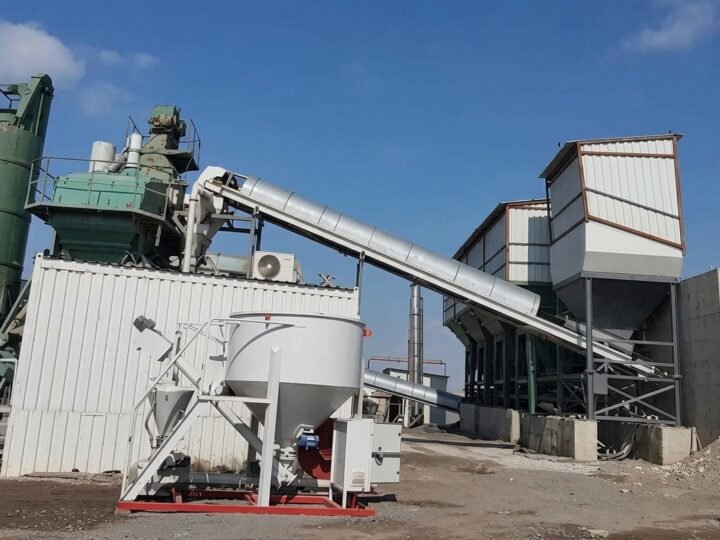
RAP Asphalt Recycling Equipment
Equipment to process reclaimed asphalt pavement (RAP) and feed it into hot or cold mixes: crushing, screening, RAP bins and dosing.
View detailsGet offers for Continuous Drum Mix Asphalt Plant
- Tell us the product, capacity and project country.
- We clarify the technical scope with you.
- You receive offers from suitable manufacturers to compare.
- Prefer WhatsApp? +90 543 797 58 57